
What happens when you stop moving
(and what to do instead)
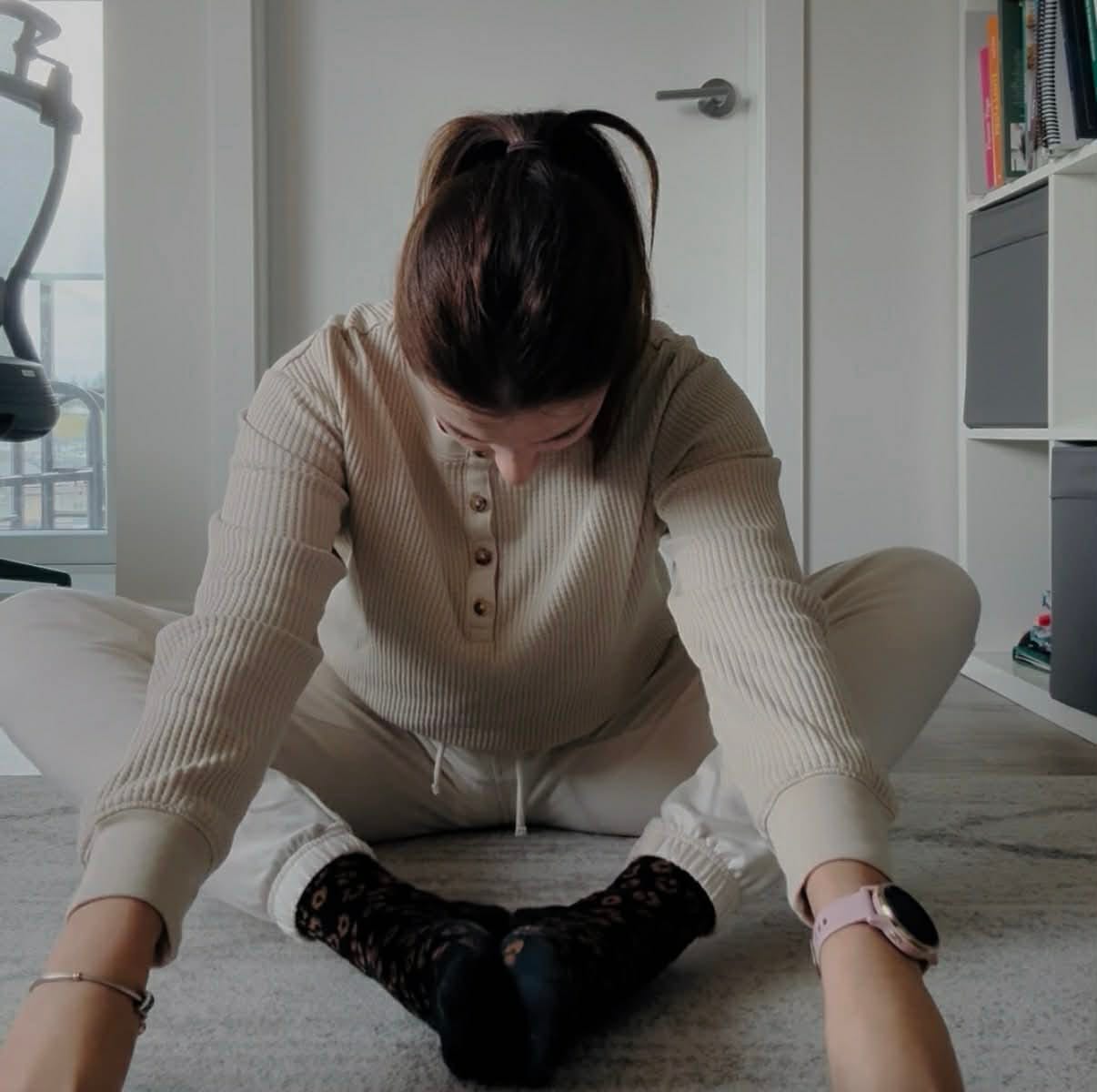
What I notice a lot is... when pain shows up, most women do one of two things : they either stop moving or completely... or push through it.
But what is doing nothing was actually making things worse?
1. Long story short : I broke my little toe a few years ago
On my doctor’s advice, I immobilized my toe with a bandage. I waited three weeks. And I was still in pain...
So little by little, I started doing yoga again, feeling really anxious about hurting my toe again since it hadn’t fully healed yet. The problem was that it still hurt a lot. And it wasn’t getting any better.
At that moment, at the front desk, I ran into a yoga teacher who also taught mobility classes in that studio.
He explained me that I absolutely had to move my toe by doing as many movements as possible with my foot and all my toes.
At the time, I wondered if he had actually understood that a little bone had been fractured. Is he crazy(!?)
But I tried because maybe it made sense. And guess what... a few days later, honestly, the toe was less swollen and I was finally in less pain... and could fit my foot back into my shoe!
So, having gone through it myself, yes, mobility is important.
But be careful. I have to warn you... this must be done gently (especially if the pain is intense → ideally, consult your doctor first and follow your intuition).
You know whether you’re ready to move or not.
Today, I mainly want to explain the consequences of immobility.
That is, not moving at all when you have inflammation in the pelvis, abdomen, and lower back.
2. How your body responds to immobility
When you stop moving, even for a few days, your body doesn't « heal faster ».
But maybe the opposite :
muscles become more stiff
circulation slows down (especially in the pelvis) → that is not good at all
joints lose mobility → that what happened to me
the nervous system stays in a protection state → the more you wait and the more it gets difficult
So, your body starts holding... instead of releasing (that's what we want here : RELEASE THE TENSION to reduce the pain)
3. This is why you might notice...
These common things :
more lower back tension in the morning
a feeling of heaviness in the pelvis
pain that comes back more easily
your body feeling stuck in the process
4. So, what do you need to help?
You don't need to push through pain (never).
You can instead learn how to support your body.
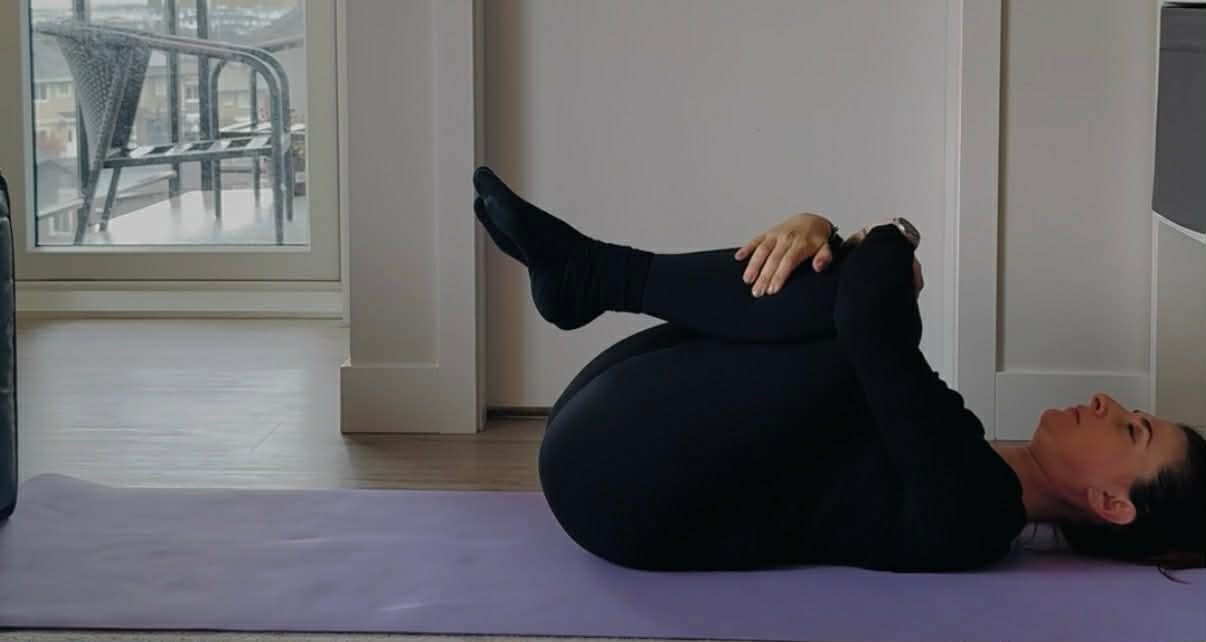
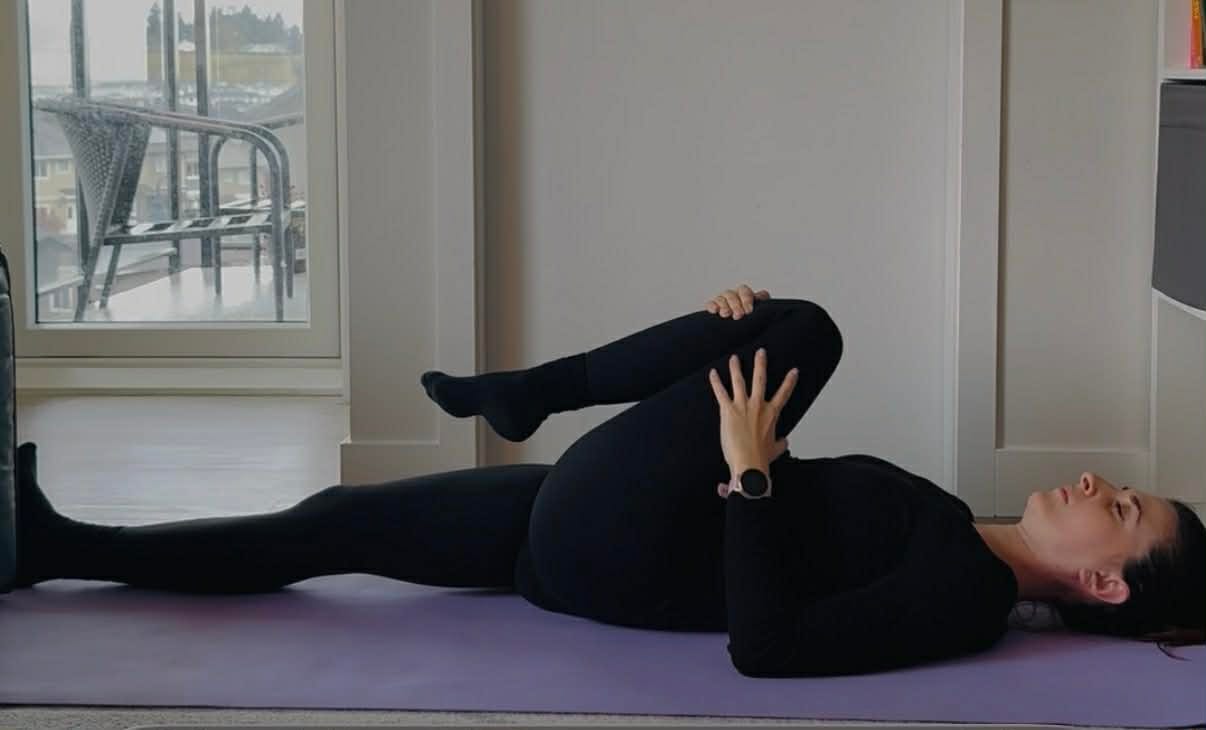
Here are 2 examples of movements that you can recreate safely at home. Try this :
1. On your mat, lying on your back, knees bent, slowly rock your pelvis side to side (while breathing in and out at your own pace)
2. Still on your back, one knee bent this time, slowly rock this leg side to side (keeping the knee bent) and you change side.
1
2
Your body doesn't need more restriction.
It needs the right kind of support ♥
Do you want to learn more?
👉 I am currently creating more resources and online classes around this. If you want to help me understand what you're experiencing : Share anonymously HERE !

Melanie B.
Yoga Instructor
Founder of Cocooning Yoga

COCOONING YOGA
2026 All Rights Reserved
Victoria, BC, Canada